
Life gets hectic, and laundry can feel like a never-ending chore. While tossing everything into the wash might seem easiest, some fabrics require special care. That's where dry cleaning comes in. But what exactly is dry cleaning, and why is it a safer option for your delicate garments? Keep reading as Easy Clean dives into the truth about dry cleaning.
What Exactly is "Dry" Cleaning?
Despite the name, dry cleaning isn't actually dry. It's a cleaning process that uses chemical solvents instead of water to clean your clothes. The most common solvent is perchloroethylene, also known as perc. Garments are placed in a machine that resembles a large washing machine. The solvent is then added, and the machine gently tumbles the clothes, effectively removing dirt, oils, and stains.
The Dry Cleaning Process: A Step-by-Step Guide
Inspection and Tagging: Each garment is inspected for stains, damage, and any special instructions. It's then tagged to ensure it doesn't get mixed up with other items.
Pre-Treatment: Stubborn stains are pre-treated with special stain removers to help loosen the grime before the cleaning process.
Cleaning: The garments are loaded into the dry cleaning machine, where they're bathed in the solvent. The machine carefully controls the temperature and agitation to protect the fabrics.
Extraction: The solvent is drained from the machine and extracted from the garments through high-speed spinning.
Drying: The garments are then dried inside the machine using warm air. This process helps to remove any residual solvent.
Post-Spotting: After drying, the garments are inspected again for any remaining stains. If needed, post-spotting treatments are applied.
Finishing: Finally, the garments are pressed, steamed, and shaped to restore their original appearance. They are then placed on hangers and covered with protective plastic.
Why Dry Cleaning is Safer for Certain Fabrics
Water can damage certain fabrics, causing them to shrink, fade, or lose their shape. Dry cleaning solvents, on the other hand, are much gentler and less likely to cause these problems. Here's why dry cleaning is often the preferred choice for delicate materials:
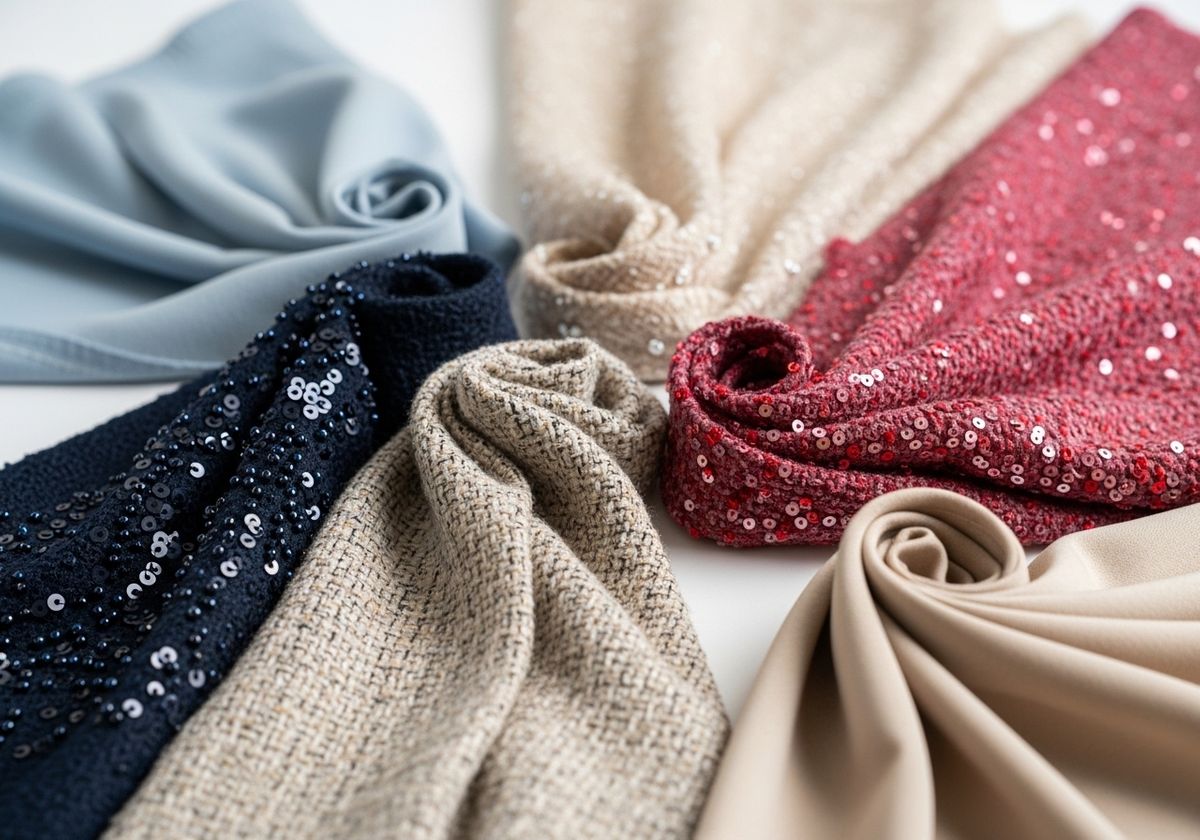
Delicate Fabrics: Fabrics like silk, wool, and velvet can be easily damaged by water and harsh detergents. Dry cleaning preserves their texture and color.
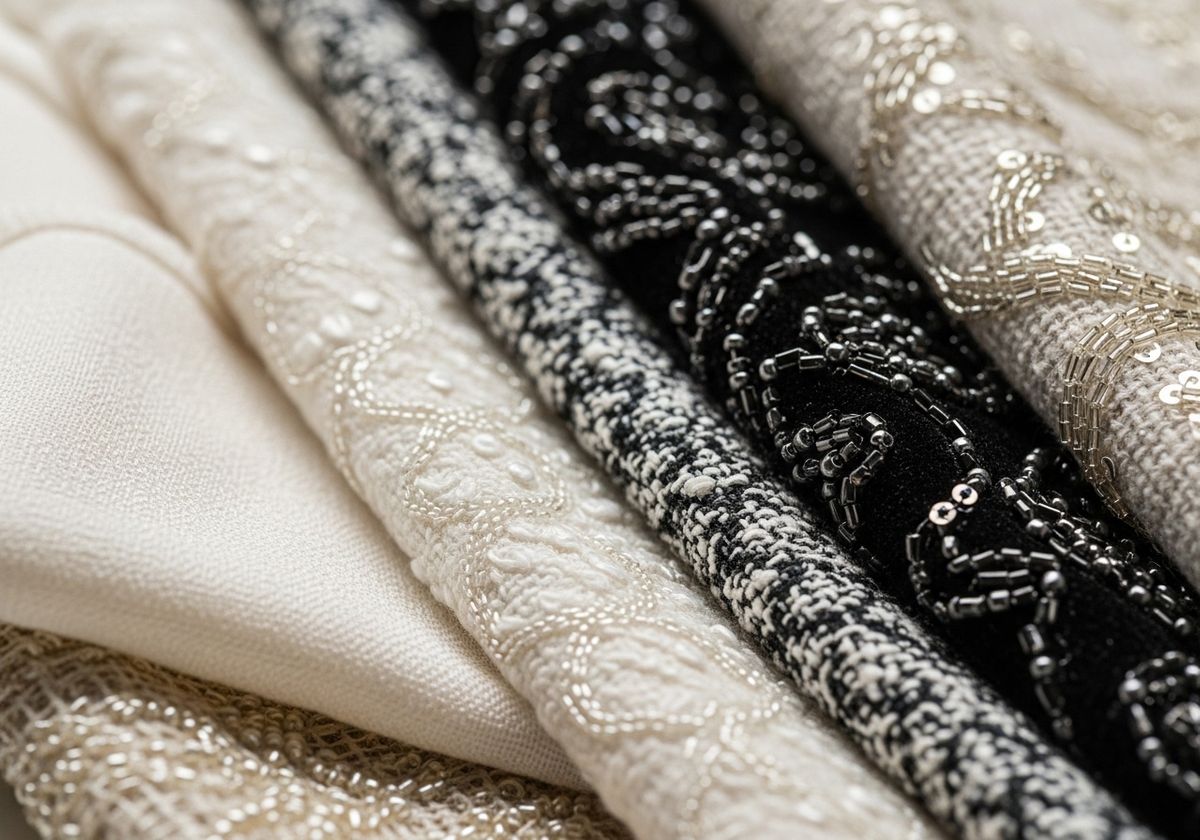
Embellishments: Garments with beads, sequins, or other embellishments are best dry cleaned, as these decorations can be dislodged or damaged in a washing machine.
Structured Clothing: Items like suits and blazers have structured linings and interfacings that can lose their shape when washed with water. Dry cleaning helps maintain their form.
Prevents Shrinking: Natural fibers like wool are prone to shrinking when exposed to water and heat. Dry cleaning avoids this issue.

When to Choose Dry Cleaning
Always check the care label on your garment. If it says "Dry Clean Only," it's best to follow those instructions.
For delicate fabrics, embellished items, and structured clothing, dry cleaning is generally the safest option.
If you have a heavily soiled or stained garment, dry cleaning can often provide better results than traditional washing.
Understanding the dry cleaning process and its benefits can help you make informed decisions about how to care for your wardrobe. By entrusting your delicate garments to professional dry cleaners, you can extend their lifespan and keep them looking their best. At Easy Clean, we understand the importance of proper garment care. Schedule your dry cleaning pickup services today.